


VibeFox Session Spring MT5
30,00 €
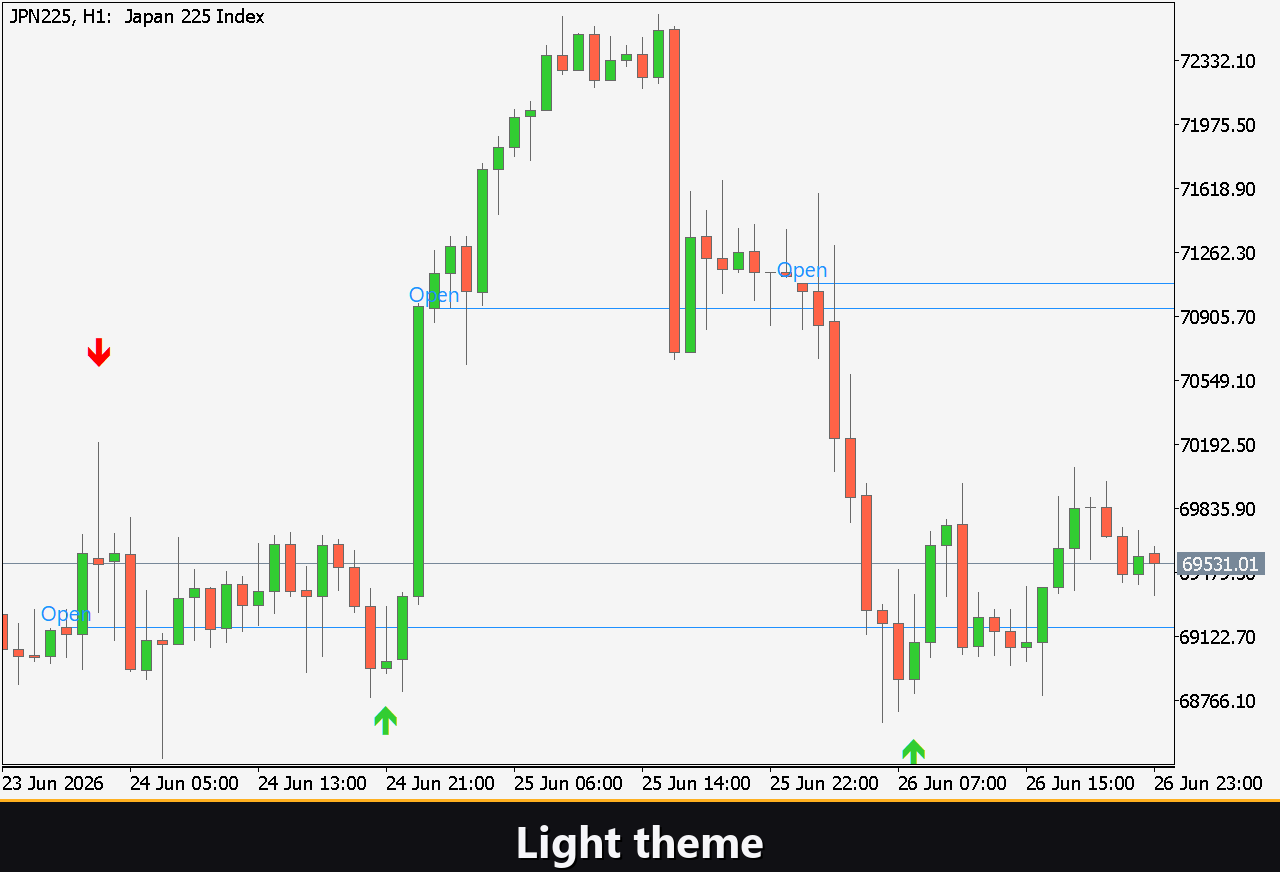
VibeFox Session Spring is a real-time intraday indicator for MetaTrader 5. It marks the price at which each trading session opened, watches how far price stretches away from that open, and signals the moment price springs back toward it — placing a clear entry marker right on the price chart. Every control is gathered into one modern interactive panel, so you see the session structure and the entry point at the very moment they form.
VibeFox Session Spring — reversion to the session open with spring entry points
VibeFox Session Spring is a real-time intraday indicator for MetaTrader 5. It marks the price at which each trading session opened, watches how far price stretches away from that open, and signals the moment price springs back toward it — placing a clear entry marker right on the price chart. Every control is gathered into one modern interactive panel, so you see the session structure and the entry point at the very moment they form.
The idea
Many instruments have a natural anchor for the day: the price at which the session opened. After the open, price drifts away from that level — sometimes far — but it tends to be pulled back toward it. That reversion back to the session open is the “spring”. VibeFox Session Spring turns this behaviour into a precise, automated signal: it waits for price to stretch a chosen distance off the open, then enters in the direction of the snap-back.
How the indicator works
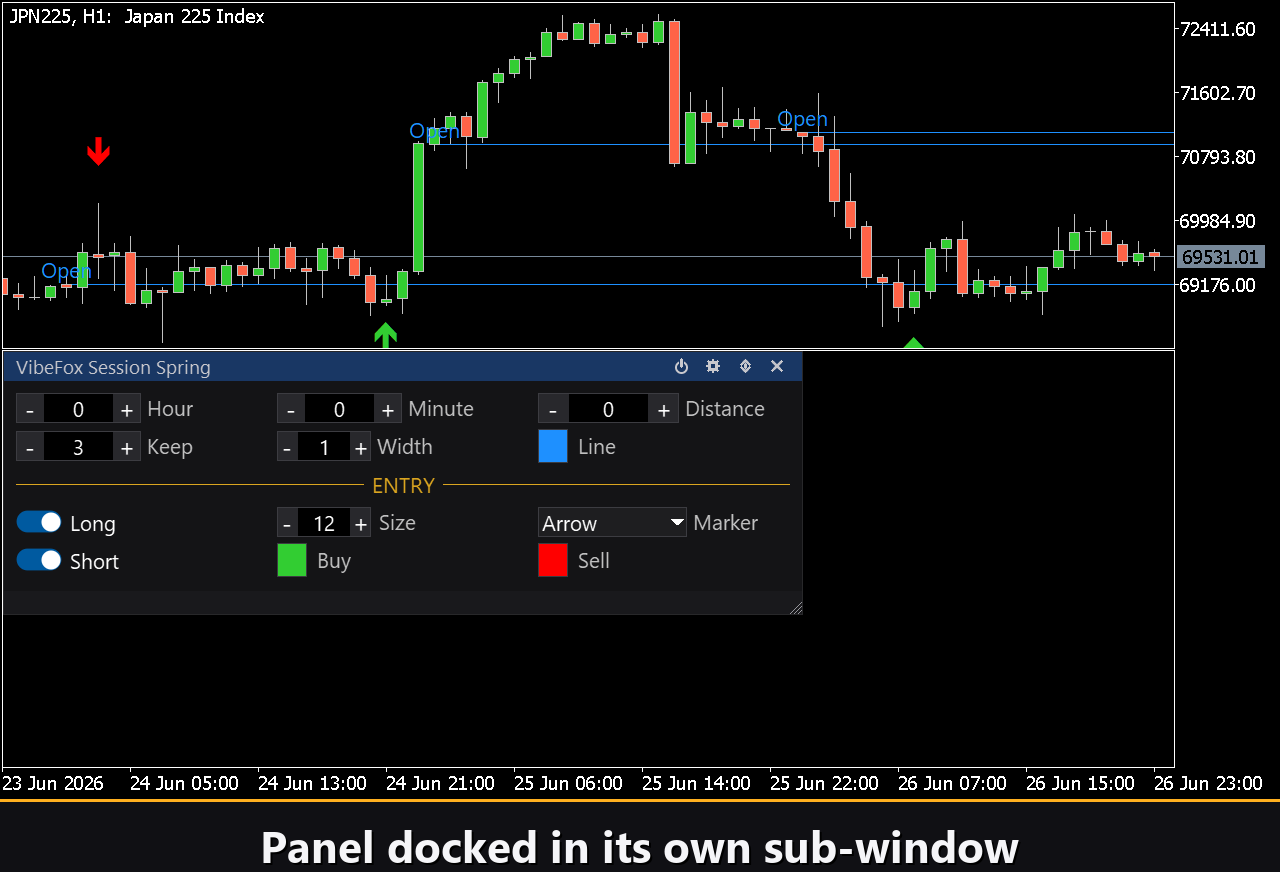
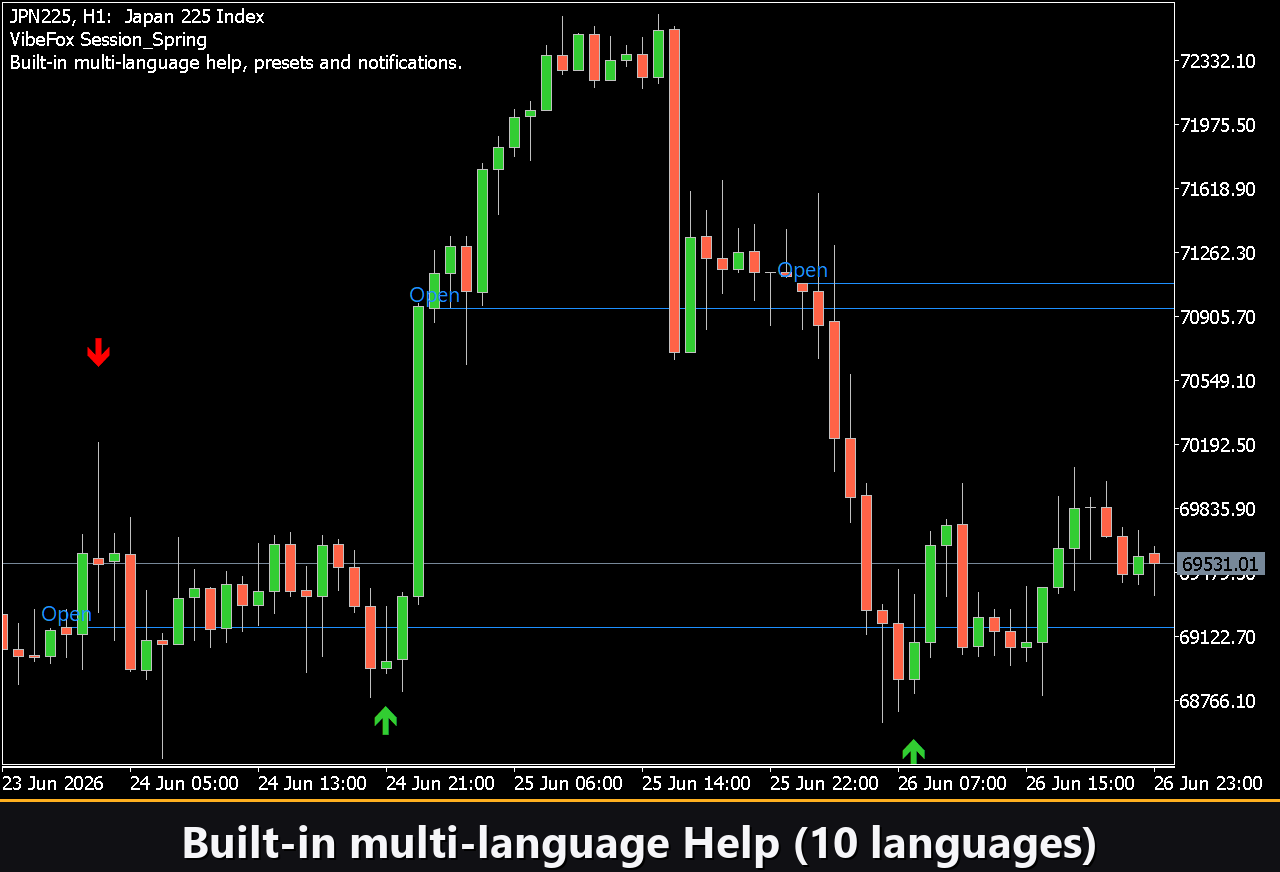
For every trading day the indicator finds the first bar at or after the configured session time. The open price of that bar becomes the session-open level and is drawn as a horizontal ray across the chart. You can keep several past session-open lines on screen at once to study how price behaved around each one.
From the session open the indicator measures how far price extends. When the distance between price and the open reaches the Trigger Distance, the market is considered “stretched”. The distance can be set in points, or left on auto (0), where it follows the current volatility as one ATR(14) of the symbol and timeframe — so the trigger adapts automatically to fast and slow markets.
Entry points
The core value of VibeFox Session Spring is its automatic entry points: the indicator tracks the stretch-and-revert condition itself and places a clear marker right on the price chart. Two independent signal types are available, each with its own toggle.
Entry — Long Spring
Price first extends below the session open by the trigger distance — the market is stretched down. Then a bar closes back up (above the previous close) while still below the open. This is the start of the snap-back toward the open, and a BUY marker is placed below the bar. The target of the move is the session-open line.
Entry — Short Spring
Price first extends above the session open by the trigger distance — the market is stretched up. Then a bar closes back down (below the previous close) while still above the open. This is the start of the snap-back toward the open, and a SELL marker is placed above the bar. The target of the move is the session-open line.
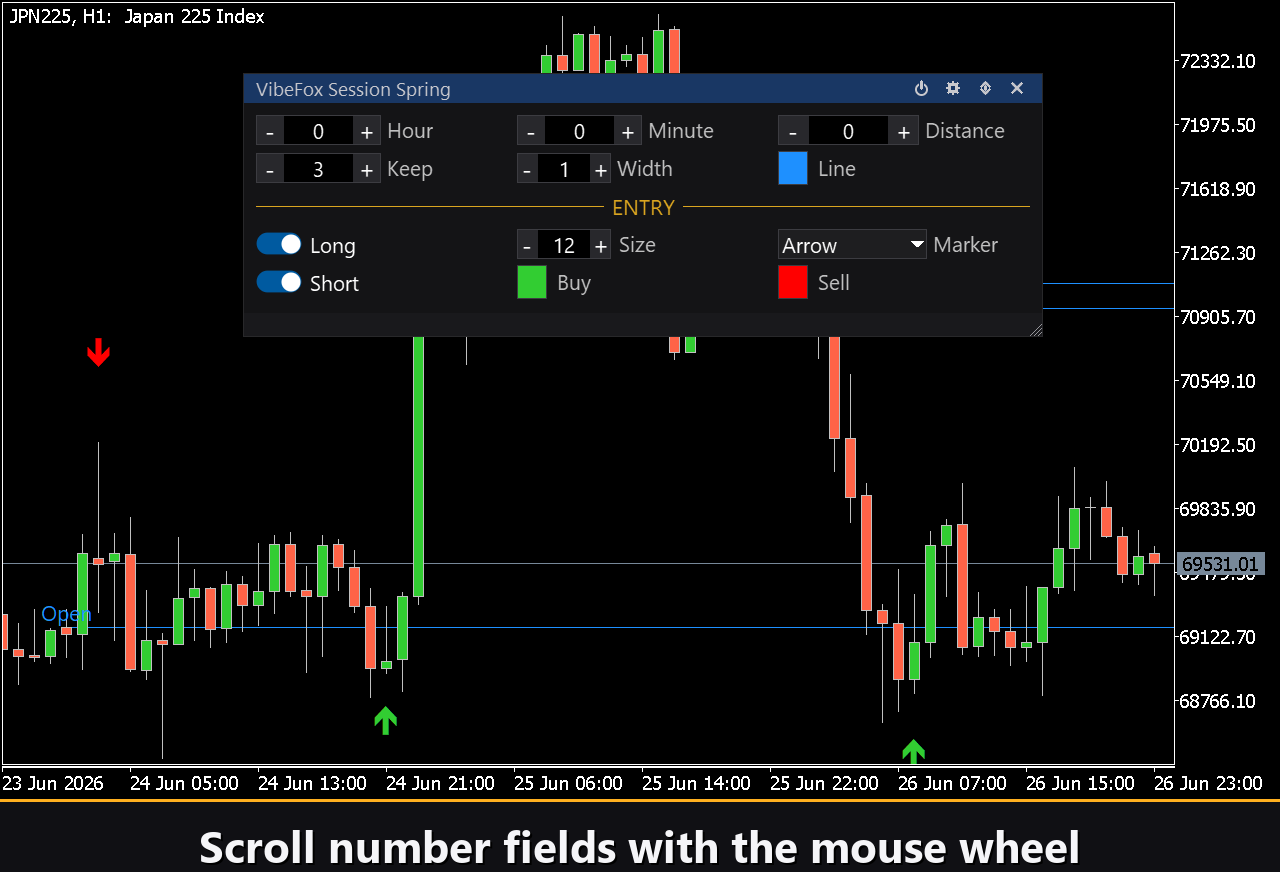
Each direction fires once per session and re-arms when a new session opens, so you get one clean Long and one clean Short opportunity per session rather than a stream of repeats. Buy and sell markers are colored separately with the Buy Color and Sell Color settings, so direction is read instantly. The Marker selector switches the glyph between a plain cross (+), filled triangles, or arrows with a tail, while the Size control scales the marker in pixels (6 to 40) to fit any chart density.
Full visual control
The session-open line color is set with Session-Open Line Color and the thickness with Session-Open Line Width from 1 to 5 pixels. The line and both entry markers each support a transparency setting (0-100%) in the color picker popup, so you can blend them softly into the chart background. Markers on the price chart are sized and colored independently, so entries stand out clearly against any background.
Interactive on-chart panel
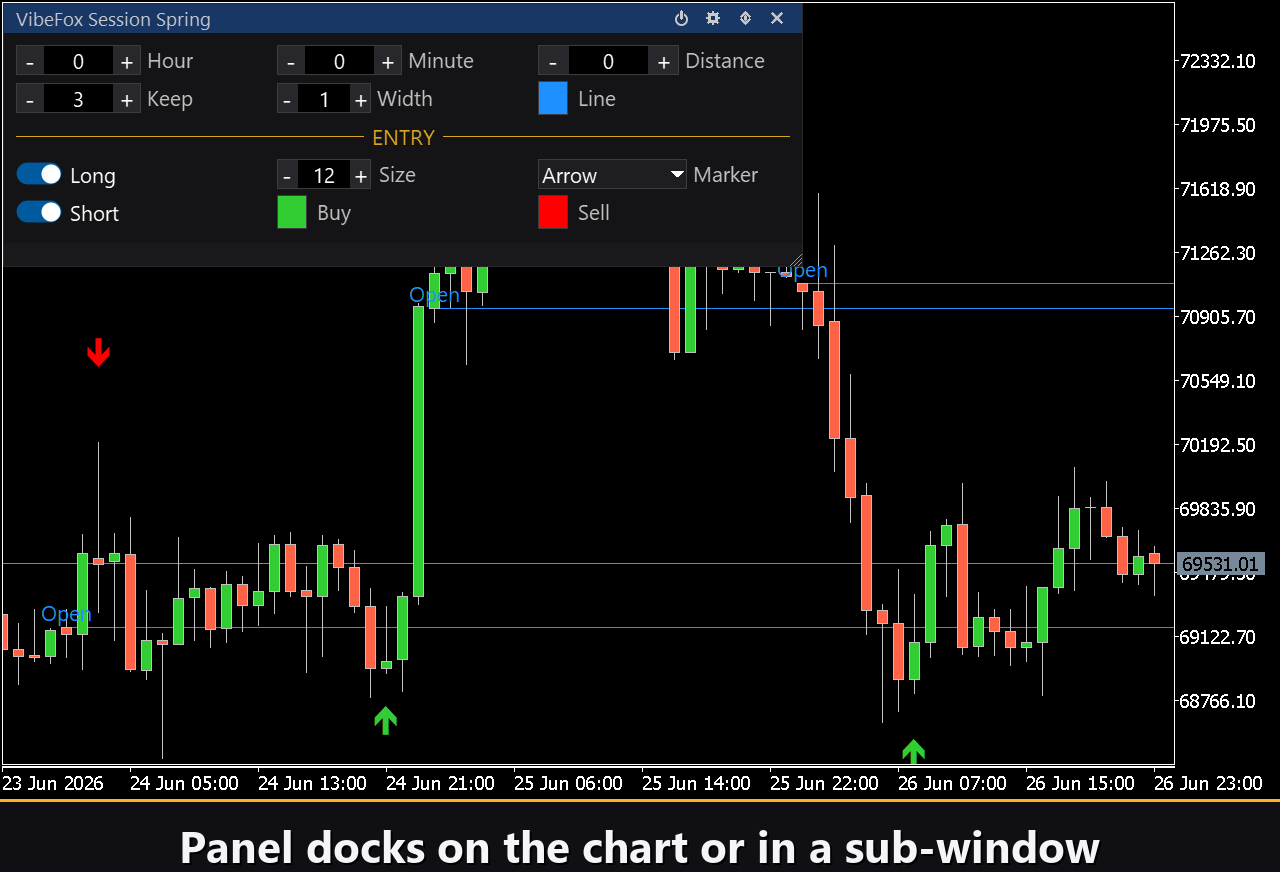
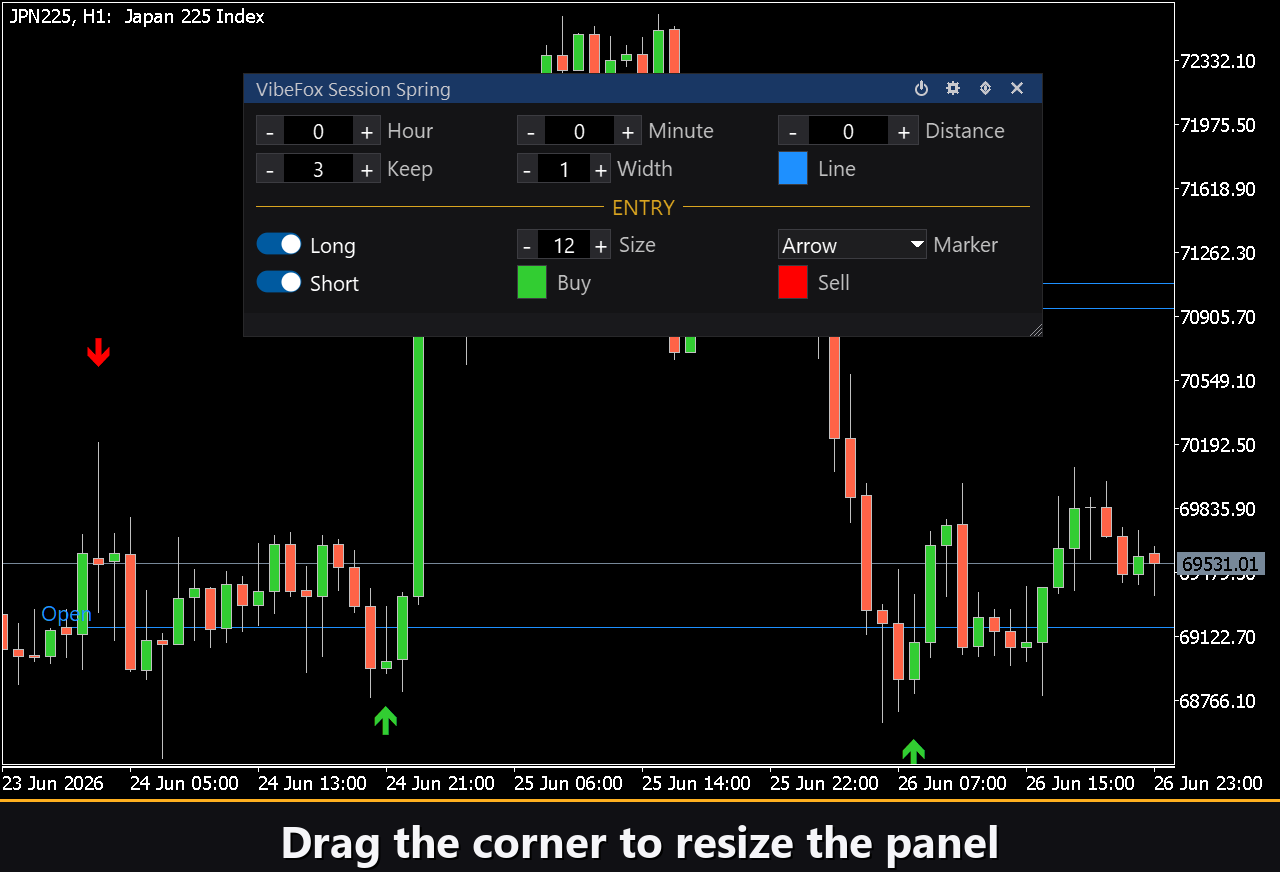
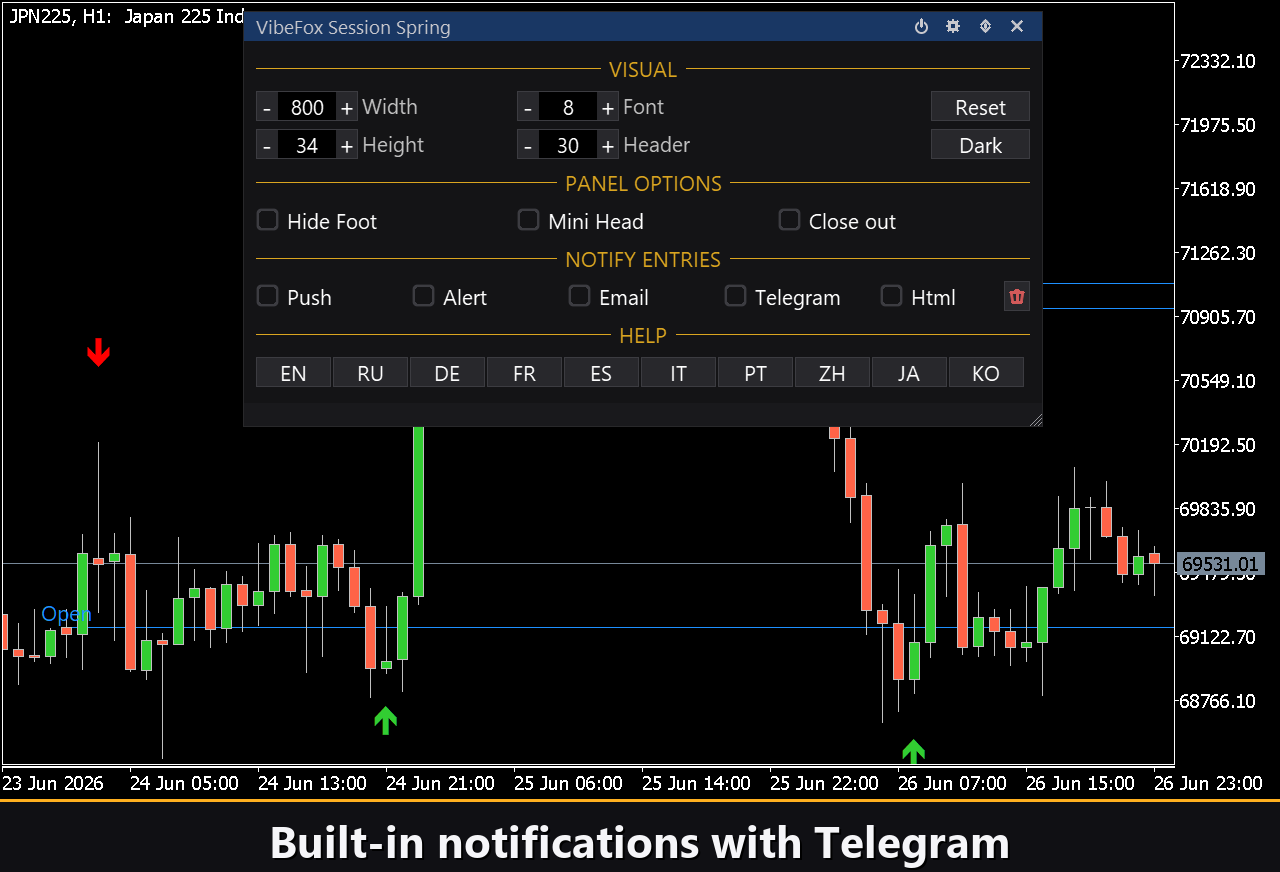
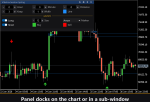
The whole interface is a smooth canvas-based panel built for fast mouse control. The session parameters are gathered into tidy rows, and the entry block is set apart with its own gold ENTRY heading, so signal settings do not get mixed up with line settings. The panel header holds the control icons.
Power — turns the drawing of entry markers on and off without removing the indicator from the chart.
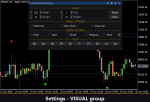
Settings (gear) — opens and closes the settings section.
Updown (arrows) — moves the panel between its subwindow and the main chart.
Close (cross) — closes the indicator.
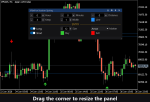
Resizable — drag the bottom-right corner to scale the panel.
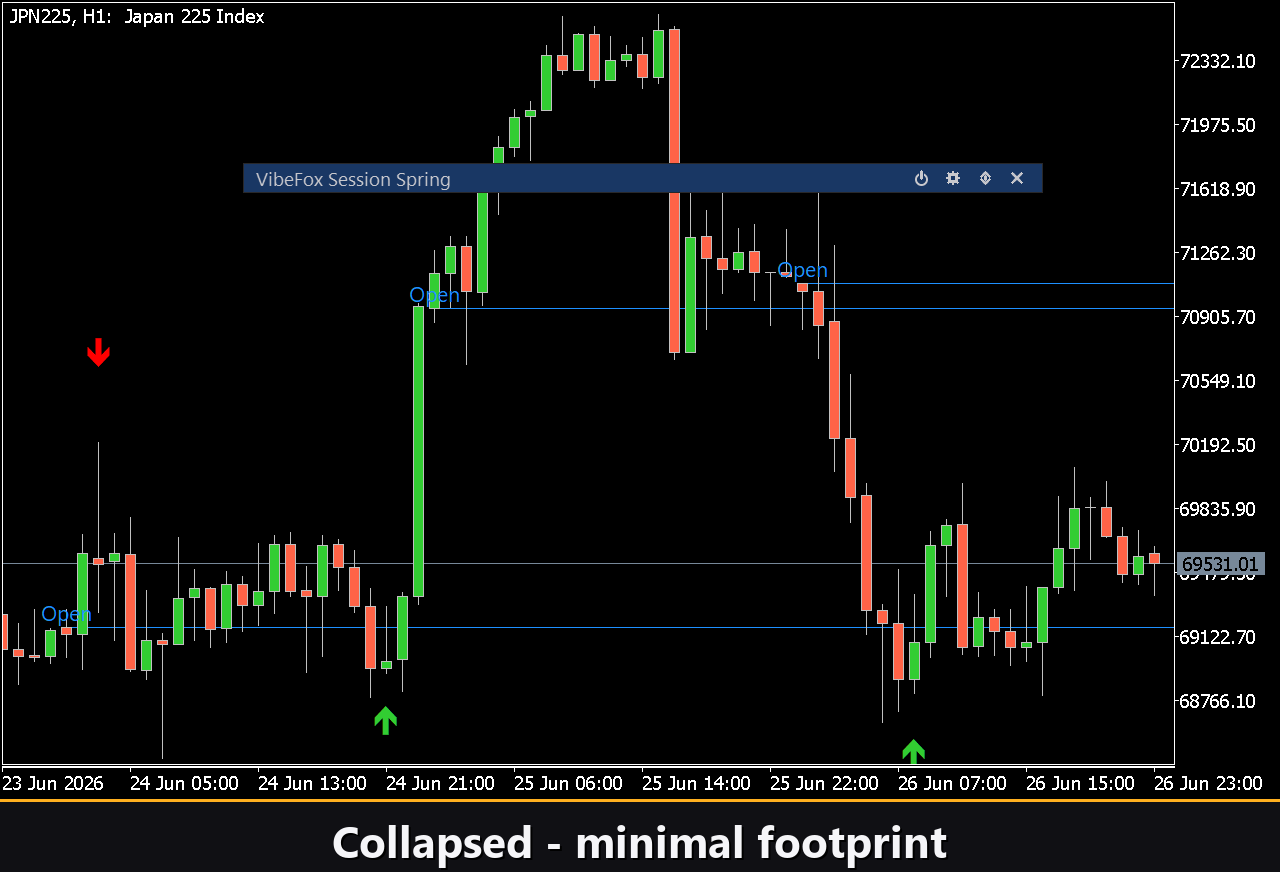
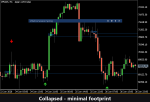
Collapsible — a double click on the header collapses the panel into a compact strip.
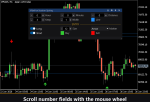
Mouse wheel — hover over any numeric field and scroll the wheel to change the value without opening the keyboard.
Settings and personalization
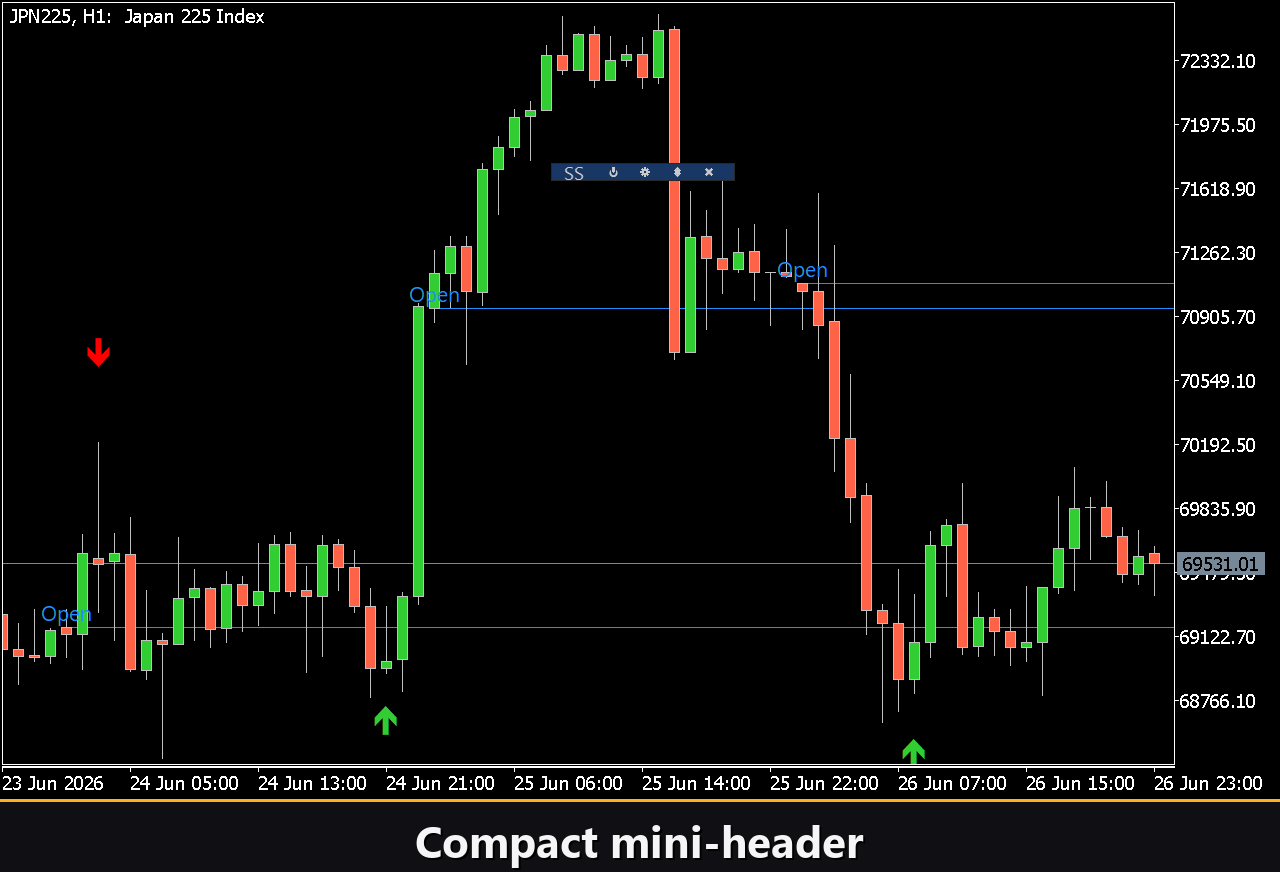
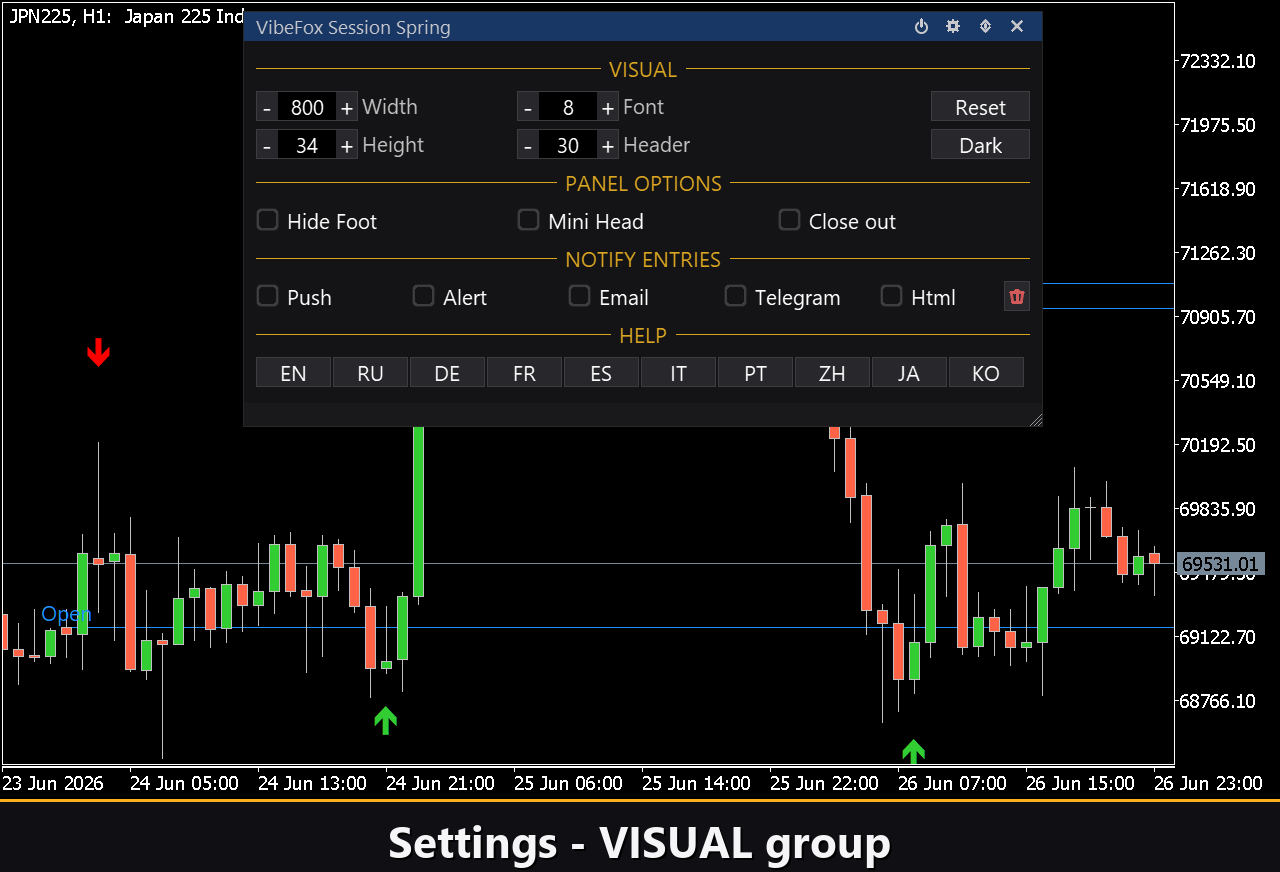
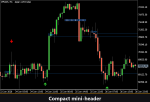
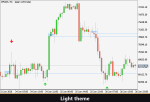
The Settings button opens a section where the panel is fitted to your workspace: a light, dark or automatic Theme, an adjustable panel width, header size, row height and font size. Extra touches let you hide the bottom bar via Hide Footer, shrink the header when collapsed with Mini Header, and automatically collapse the panel on a click outside it. Almost every parameter changes live right on the panel — the input fields on the Inputs tab only set the starting values. You can also run several independent copies on one chart by giving each a unique Instance, to compare different session times or trigger distances side by side.
Entry notifications
You do not need to sit and guard the chart waiting for a signal. Each entry can be sent through several notification channels that are enabled independently right on the panel.
Alert — a pop-up message inside the terminal.
Push — a mobile notification to the MetaTrader app on your phone.
Email — a letter sent through the terminal’s mail settings.
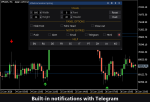
Telegram — the alert text together with a chart screenshot, sent straight to your Telegram chat.
Enable only the channels you need, and you will be notified the moment a new spring entry appears on the symbol and timeframe you are working with.
Visual history (HTML report)
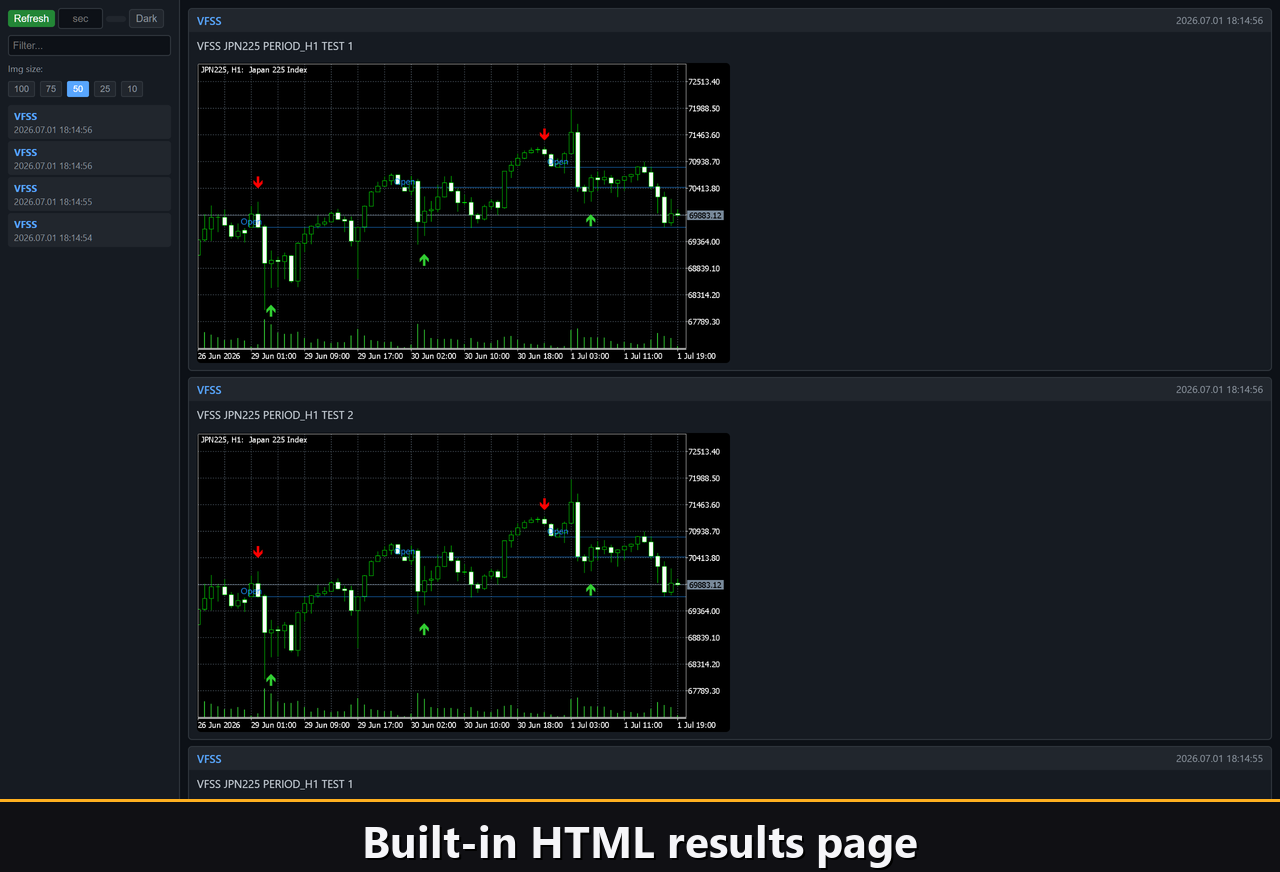
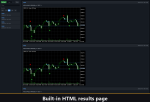
Enable the Html channel, and every entry signal is saved to an HTML report together with a screenshot of the chart at the moment it fired. The report is stored in the terminal’s Files folder, in the VibeFox_Session_Spring directory (MQL5/Files/VibeFox_Session_Spring/result.html), and opens in any browser — you get a visual log of all the spring entries the indicator found. A one-click trash button clears the report and its screenshots whenever you want to start over.
Telegram Alerts
Signals can also be delivered straight to your Telegram chat — the alert text together with a screenshot of the chart at the moment of detection. Turn on the Telegram channel and enter your bot token and chat id in the inputs.
Delivery rides on the HTML report: each new signal is written into the report, and the report — opened in a browser — forwards it to your Telegram chat on its own. For this reason, enabling Telegram automatically keeps the Html report on, and the two channels work together.
Built-in multilingual help
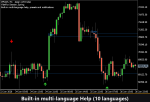
A full help page is built into the panel, available in multiple languages, so every control is explained right where you use it.
Loading...